When it comes to bulletproof fabric, one of the most frequently asked questions is about its performance in extreme temperatures. As a supplier of bulletproof fabric, I’ve encountered this query numerous times. In this blog post, I’ll delve into how bulletproof fabric behaves under these challenging conditions, referencing real – world examples and scientific research. Bulletproof Fabric
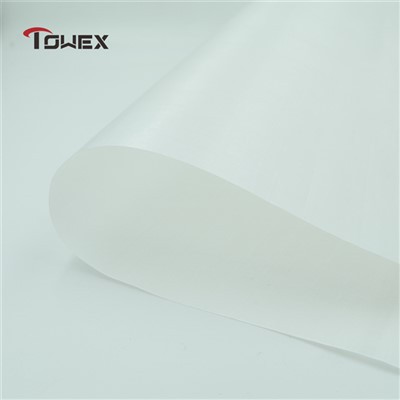
The Basics of Bulletproof Fabric
Before we discuss extreme temperatures, it’s essential to understand the key components and working principles of bulletproof fabric. Most modern bulletproof fabrics are made from high – strength synthetic fibers such as Kevlar, Spectra, or Dyneema. These fibers have exceptional tensile strength, which allows them to absorb and disperse the kinetic energy of a bullet upon impact.
When a bullet hits the fabric, the fibers stretch and deform, spreading the force over a wider area. This process prevents the bullet from penetrating through the material. The construction of bulletproof fabric also plays a crucial role; it’s often woven or laminated in multiple layers to enhance its protective capabilities.
Performance in High Temperatures
Thermal Stability of Fibers
High temperatures can have a significant impact on the properties of bulletproof fabric. Each type of fiber used in bulletproof applications has a specific thermal degradation point. For example, Kevlar starts to degrade at around 371°C (700°F). At such high temperatures, the molecular structure of the fiber begins to break down, which can lead to a loss of strength.
In less extreme heat conditions, say, in a desert environment where temperatures can reach 50 – 60°C (122 – 140°F), the fabric may experience a slight reduction in its mechanical properties. The fibers become more flexible, which can potentially affect their ability to absorb and disperse bullet energy as efficiently as they would at normal temperatures.
Impact on Laminates and Coatings
Many bulletproof fabrics use laminates or coatings to improve their durability, water resistance, or other properties. High temperatures can cause these laminates and coatings to soften or delaminate. For instance, if the adhesive used in a laminated bulletproof fabric is not heat – resistant, it may start to lose its bonding strength. This can result in the separation of layers, reducing the overall effectiveness of the bulletproof protection.
Performance in Low Temperatures
Brittleness of Fibers
Low temperatures also pose challenges to bulletproof fabric. When the temperature drops, the fibers in the fabric become more brittle. For example, in arctic conditions where the temperature can fall below – 40°C (- 40°F), the flexibility of the fibers is significantly reduced.
This brittleness can lead to a higher risk of fiber breakage upon impact. When a bullet hits the fabric, the fibers may shatter instead of stretching and deforming as they would at normal temperatures. As a result, the fabric’s ability to absorb and disperse the bullet’s energy is compromised.
Effect on Elasticity
The elasticity of the bulletproof fabric is also affected by low temperatures. Elasticity is crucial for the fabric to conform to the body and provide a comfortable fit for the wearer. In cold temperatures, the fabric loses its elasticity, making it stiffer and less adaptable. This can not only reduce the comfort of the end – user but also potentially impact the fabric’s performance in a real – world bullet – threat scenario.
Real – World Testing and Scenarios
To better understand how bulletproof fabric performs in extreme temperatures, real – world testing is essential. Military and law enforcement agencies often conduct field tests in various environments, from the scorching deserts of the Middle East to the freezing mountains of northern regions.
For instance, in desert operations, soldiers have reported that their bulletproof vests made from synthetic fabrics can become uncomfortably hot. The heat can cause sweating, which may affect the interfaces between the fabric layers. Additionally, continuous exposure to high – temperature sunlight can gradually degrade the fabric’s fibers over time.
In cold regions, the stiffness of the bulletproof fabric can be a significant issue. Police officers in cold – climate areas have faced challenges when it comes to moving freely while wearing bulletproof gear. The reduced flexibility can limit their mobility, which is crucial in high – stress situations.
Maintaining Performance in Extreme Temperatures
As a supplier, we’ve been actively researching and developing solutions to maintain the performance of bulletproof fabric in extreme temperatures. One approach is to use heat – resistant fibers and adhesives in high – temperature applications. We’re also exploring the use of special coatings that can enhance the fabric’s thermal stability.
In low – temperature scenarios, we’re working on improving the flexibility of the fabric. This can be achieved through the development of new fiber blends or the use of additives that can reduce the brittleness of the fibers at cold temperatures.
Conclusion and Call to Action
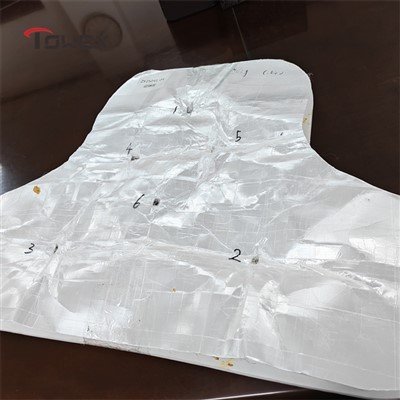
In conclusion, bulletproof fabric’s performance in extreme temperatures is a complex issue that involves multiple factors, including the thermal stability of fibers, the integrity of laminates and coatings, and the overall mechanical properties of the fabric. While extreme temperatures can pose challenges, with continuous research and development, we’re constantly improving the performance of our bulletproof fabrics.
Flame Retardant Fabric If you’re in the market for high – quality bulletproof fabric that can withstand extreme temperatures, I encourage you to reach out to discuss your specific requirements. Whether you’re a military contractor, a law enforcement agency, or a security company, we can provide you with the best solutions tailored to your needs. Contact us to start a conversation about your bulletproof fabric procurement.
References
- "Ballistic Materials and Penetration Mechanics" by Norman C. Chou and V. Sunny Shen.
- Research papers on the thermal properties of high – strength synthetic fibers published in the Journal of Materials Science.
- Military and law enforcement field reports on the performance of bulletproof vests in extreme environments.
Jiaxing Towex New Materials Co., Ltd.
Jiaxing Towex New Materials Co., Ltd. is one of the most experienced bulletproof fabric manufacturers and suppliers in China, also supports customized service with low price. Please feel free to buy bulk high quality bulletproof fabric in stock here from our factory. Contact us for quotation.
Address: Building 1666, Wuzhen High-tech Zone, Tongxiang City, Zhejiang Province
E-mail: sales@towextech.com
WebSite: https://www.topuhmwpe.com/
