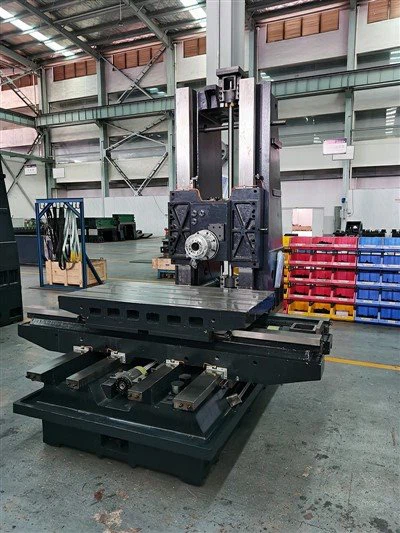
Improving the surface finish of parts machined on an XY Linear Way Vertical Machining Center is a crucial aspect of manufacturing high – quality products. As a supplier of XY Linear Way Vertical Machining Centers, I have witnessed firsthand the challenges and opportunities that come with achieving superior surface finishes. In this blog, I will share some practical tips and strategies based on my experience in the industry. XY Linear Way Vertical Machining Center
Understanding the Basics of Surface Finish
Before delving into the methods of improving surface finish, it’s essential to understand what surface finish is and why it matters. Surface finish refers to the texture of a surface created by machining processes. It is typically measured in terms of roughness, waviness, and lay. A good surface finish not only enhances the aesthetic appeal of the part but also improves its functionality, such as reducing friction, increasing wear resistance, and preventing corrosion.
Factors Affecting Surface Finish
Several factors can influence the surface finish of parts machined on an XY Linear Way Vertical Machining Center. These include:
Tool Selection
The type of cutting tool used plays a significant role in determining the surface finish. High – quality tools with sharp cutting edges can produce smoother surfaces. Carbide tools are often preferred for their durability and ability to maintain sharpness during machining. Additionally, the geometry of the tool, such as the rake angle, clearance angle, and nose radius, can also affect the surface finish. For example, a larger nose radius can reduce the scallop height on the machined surface, resulting in a smoother finish.
Cutting Parameters
Cutting parameters, including cutting speed, feed rate, and depth of cut, have a direct impact on the surface finish. A higher cutting speed can reduce the cutting forces and improve the surface finish, but it may also increase tool wear. The feed rate determines the amount of material removed per revolution of the tool. A lower feed rate generally leads to a better surface finish, but it also increases the machining time. The depth of cut should be carefully selected to balance the material removal rate and the surface finish.
Machine Rigidity
The rigidity of the XY Linear Way Vertical Machining Center is crucial for achieving a good surface finish. A rigid machine can minimize vibrations during machining, which can cause surface irregularities. The linear ways of the machine should be properly maintained to ensure smooth and accurate movement. Any play or misalignment in the linear ways can lead to poor surface finish.
Workpiece Material
The properties of the workpiece material, such as hardness, ductility, and thermal conductivity, can affect the surface finish. Harder materials may require different cutting tools and parameters compared to softer materials. For example, machining a hardened steel part may require a slower cutting speed and a lower feed rate to avoid tool wear and achieve a good surface finish.
Strategies for Improving Surface Finish
Optimize Toolpath Planning
Proper toolpath planning can significantly improve the surface finish. Using a continuous and smooth toolpath can reduce the number of tool entry and exit points, which can cause surface marks. Additionally, using a trochoidal or adaptive toolpath strategy can help to maintain a consistent cutting load, resulting in a better surface finish.
Use Coolant and Lubrication
Coolant and lubrication play an important role in improving the surface finish. Coolant helps to reduce the cutting temperature, which can prevent tool wear and improve the surface finish. Lubrication reduces the friction between the tool and the workpiece, which can also improve the surface finish. The type and flow rate of the coolant should be carefully selected based on the workpiece material and the machining process.
Perform Regular Machine Maintenance
Regular maintenance of the XY Linear Way Vertical Machining Center is essential for achieving a good surface finish. This includes cleaning and lubricating the linear ways, checking the alignment of the machine components, and replacing worn – out parts. A well – maintained machine can operate more smoothly and accurately, resulting in a better surface finish.
Conduct Process Optimization
Process optimization involves adjusting the cutting parameters and tool selection based on the specific requirements of the part. This can be done through trial and error or by using advanced machining simulation software. By optimizing the process, it is possible to achieve the best surface finish while minimizing the machining time and cost.
Case Studies
To illustrate the effectiveness of these strategies, let’s look at a couple of case studies.
Case Study 1: Machining Aluminum Parts
A customer was machining aluminum parts on our XY Linear Way Vertical Machining Center. The initial surface finish was not satisfactory, with visible tool marks. After analyzing the cutting parameters, we recommended increasing the cutting speed and reducing the feed rate. We also suggested using a high – quality carbide end mill with a larger nose radius. After implementing these changes, the surface finish of the parts improved significantly, and the customer was able to meet the required specifications.
Case Study 2: Machining Stainless Steel Parts
Another customer was machining stainless steel parts. The parts had a rough surface finish and were prone to tool wear. We recommended using a coolant with a high lubricity and adjusting the cutting parameters to reduce the cutting temperature. We also suggested using a tool with a special coating to improve the tool life. After making these changes, the surface finish of the parts improved, and the tool wear was reduced, resulting in cost savings for the customer.
Conclusion
Improving the surface finish of parts machined on an XY Linear Way Vertical Machining Center requires a comprehensive approach that takes into account tool selection, cutting parameters, machine rigidity, and workpiece material. By implementing the strategies outlined in this blog, manufacturers can achieve superior surface finishes, improve the quality of their products, and increase their competitiveness in the market.
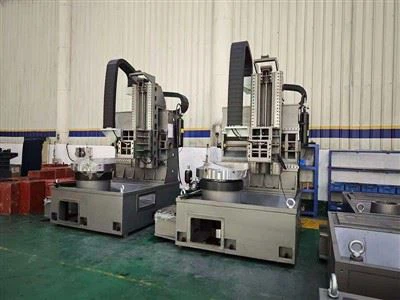
Turn‑Mill Machine Machine If you are interested in learning more about how our XY Linear Way Vertical Machining Centers can help you achieve better surface finishes, or if you have any questions about the machining process, please feel free to contact us for a purchase negotiation. We are committed to providing you with the best solutions and support for your manufacturing needs.
References
- Boothroyd, G., & Knight, W. A. (2006). Fundamentals of machining and machine tools. CRC Press.
- Kalpakjian, S., & Schmid, S. R. (2014). Manufacturing engineering and technology. Pearson.
- Stephenson, D. A., & Agapiou, J. S. (2006). Metal cutting theory and practice. CRC Press.
Smartech Machinery & Equipment Co., Ltd.
As one of the most professional xy linear way vertical machining center machine manufacturers and suppliers in China, we also support customized service. Please rest assured to buy bulk xy linear way vertical machining center machine made in China here from our factory. Contact us for more details.
Address: Room 2832, Changping Commercial Mansion, Shihua Road, Futian Free Trade Zone, Shenzhen, China
E-mail: smartech@smartechcnc.cn
WebSite: https://www.smartech-cnc.com/
