Hey there! I’m a supplier of stretch fabric, and today I wanna chat about a question that comes up a lot: Is stretch fabric resistant to wrinkles? Stretch Fabric
Understanding Stretch Fabric
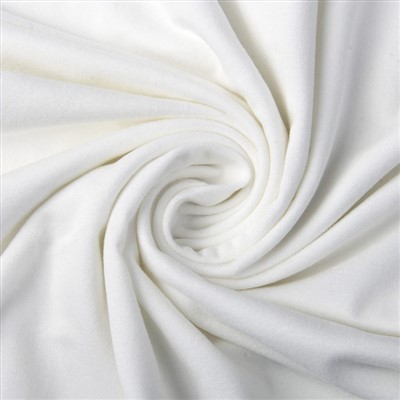
First off, let’s talk a bit about stretch fabric. Stretch fabric is pretty cool ’cause it can stretch and then go back to its original shape. This is thanks to the materials used to make it. Usually, it’s a blend of natural fibers like cotton or silk with synthetic ones like spandex or elastane. The natural fibers give the fabric its look and feel, while the synthetic ones add that stretchy quality.
When it comes to wrinkles, a few things come into play. The type of fibers, the weave of the fabric, and how it’s treated all affect its wrinkle resistance.
The Role of Fibers
Let’s start with the fibers. Natural fibers like cotton are great, but they’re not the best at resisting wrinkles. Cotton is absorbent and breathable, which is why it’s so popular for clothing. But it can easily get wrinkled when you sit, move around, or even just fold it up. Silk, on the other hand, is a bit more resistant to wrinkles than cotton. It has a smooth surface that doesn’t hold creases as well.
Now, the synthetic fibers are where the real magic happens. Spandex and elastane are super stretchy, and they also help the fabric recover its shape quickly. This means that if the fabric gets stretched or bent, it can bounce back to a smooth state pretty fast. So, when you mix these synthetic fibers with natural ones in stretch fabric, you get the best of both worlds. The natural fibers give the fabric its style and comfort, and the synthetic fibers boost its wrinkle resistance.
Weave Patterns
The way the fabric is woven also matters. There are different weave patterns, like plain weave, twill weave, and satin weave. Each of these patterns has its own characteristics when it comes to wrinkles.
A plain weave is the simplest one. It’s made by interlacing the warp and weft threads over and under each other. Fabrics with a plain weave can be more prone to wrinkling because the threads are so close together and can get easily out of place.
Twill weave is different. In a twill weave, the threads are woven in a diagonal pattern. This creates a more structured fabric that’s generally more resistant to wrinkles. You’ll often see twill weave in denim, which is a type of stretch fabric. Denim usually has a bit of spandex in it, and the twill weave helps it keep its shape and look smooth even after a lot of wear.
Satin weave has a very smooth and shiny surface. It’s made by floating the warp threads over several weft threads. Satin weave fabrics can be quite resistant to wrinkles, but they can also be a bit delicate. When you mix satin weave with stretch fibers, you get a fabric that’s both stretchy and has a good level of wrinkle resistance.
Treatment and Finishing
Another factor that affects wrinkle resistance is how the fabric is treated and finished. Some stretch fabrics go through a special treatment process to make them more wrinkle-resistant. This can involve using chemicals or heat treatments to set the fibers in place.
For example, some fabrics are treated with a resin finish. The resin coats the fibers and makes them stiffer, which helps the fabric hold its shape and resist wrinkles. However, this can also make the fabric feel a bit less soft and breathable.
There are also new technologies that are more eco – friendly. Some manufacturers use enzymes to break down the surface of the fibers, making them smoother and more wrinkle – resistant. These treatments can be a great option for those who are looking for a more sustainable stretch fabric.
Real – World Testing
I’ve done some real – world testing with our stretch fabrics. We sent out samples of different types of stretch fabric to a group of people and asked them to wear the clothes made from these fabrics for a few days and then report back on how wrinkled they got.
The results were pretty interesting. The fabrics with a higher percentage of spandex or elastane definitely held up better. For example, a stretch fabric with 90% cotton and 10% spandex got a bit wrinkled during the day, but it was easy to smooth out with just a few shakes. On the other hand, a fabric with 70% cotton and 30% spandex hardly got any wrinkles at all. Even after sitting at a desk for hours or moving around a lot, it still looked presentable.
The weave also played a role. The twill – woven stretch fabrics were more resistant to wrinkles than the plain – woven ones. And the fabrics that had gone through a special wrinkle – resistant treatment were the best of all. They looked almost as good at the end of the day as they did when they were first put on.
Advantages of Wrinkle – Resistant Stretch Fabric
There are a lot of advantages to using wrinkle – resistant stretch fabric. For one thing, it’s super convenient. You don’t have to spend a lot of time ironing your clothes. If you’re in a hurry in the morning, you can just grab your stretchy shirt or pants and go, knowing that you’ll look good all day.
It’s also great for travel. Whether you’re going on a business trip or a vacation, you can pack your stretchy clothes without worrying about them getting all wrinkled in your suitcase. When you arrive at your destination, you can just take them out and they’ll be ready to wear.
From a business perspective, as a stretch fabric supplier, offering wrinkle – resistant options is a big plus. It makes our products more appealing to customers who are looking for high – quality, low – maintenance fabrics. We’ve seen an increase in demand for our wrinkle – resistant stretch fabrics, especially from clothing manufacturers who are making workwear and casual wear.
Conclusion
So, is stretch fabric resistant to wrinkles? The answer is, it depends. But in general, stretch fabric that has a good blend of synthetic and natural fibers, a suitable weave, and possibly a wrinkle – resistant treatment can be quite resistant to wrinkles.
French Terry If you’re in the market for stretch fabric, whether you’re a clothing manufacturer, a designer, or just someone who loves comfortable and stylish clothes, I’d highly recommend considering our wrinkle – resistant options. We’ve got a wide range of stretch fabrics in different colors, patterns, and blends. If you’re interested in learning more or want to place an order, just reach out to us. We’d be more than happy to help you find the perfect stretch fabric for your needs.
References
- Textile Science handbooks
- Research papers on fabric properties by various textile research institutions
Shaoxing Xinlian Dyeing & Weaving Industrial Teade Co., Ltd.
We’re well-known as one of the leading stretch fabric manufacturers and suppliers in China. With a professional production team, we are able to meet the needs of the majority of our customers. Please rest assured to wholesale bulk customized stretch fabric from our factory.
Address: Building 3-2, Huangxian Village, Lanting Subdistrict, Keqiao District, Shaoxing City, Zhejiang Province, China
E-mail: inquiryxinlian@163.com
WebSite: https://www.xinliantextile.com/
