Are there any regulations regarding car interior components? Car Interior Components
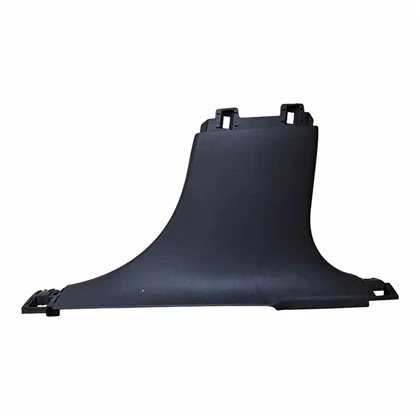
As a supplier of car interior components, I often get asked about the regulations governing our products. The automotive industry is highly regulated, and car interior components are no exception. These regulations are in place to ensure the safety, comfort, and environmental friendliness of vehicles. In this blog post, I’ll explore the various regulations that impact car interior components and how they affect our business as a supplier.
Safety Regulations
One of the primary concerns when it comes to car interior components is safety. Governments around the world have implemented strict regulations to protect passengers in the event of a crash. These regulations cover a wide range of components, including seats, seat belts, airbags, and dashboard materials.
Seats and Seat Belts
Seats and seat belts are crucial for protecting passengers during a collision. Regulations typically specify requirements for seat strength, durability, and the effectiveness of seat belts in restraining occupants. For example, seats must be able to withstand certain forces without collapsing, and seat belts must be able to lock properly to prevent passengers from being thrown forward.
In the United States, the National Highway Traffic Safety Administration (NHTSA) sets standards for seats and seat belts under Federal Motor Vehicle Safety Standards (FMVSS). These standards ensure that seats and seat belts meet minimum safety requirements and are tested rigorously to ensure compliance.
Airbags
Airbags are another critical safety feature in modern vehicles. They are designed to deploy rapidly in the event of a crash to cushion the impact and protect passengers from hitting hard surfaces inside the vehicle. Regulations governing airbags require them to meet specific performance criteria, such as the speed of deployment and the amount of force they can absorb.
In addition to performance standards, airbags must also be designed to be safe for occupants of all sizes and seating positions. This includes ensuring that airbags do not cause injury to small children or passengers sitting in non – standard positions.
Dashboard and Interior Trim Materials
The materials used in the dashboard and other interior trim components must also meet safety regulations. These materials should not shatter or break into sharp pieces in the event of a crash, as this could cause serious injuries to passengers. Additionally, they must be resistant to flammability to prevent fires in the event of an accident.
Many countries have regulations that limit the use of certain chemicals in interior trim materials to reduce the risk of toxic fumes in the event of a fire. For example, the European Union’s REACH (Registration, Evaluation, Authorization and Restriction of Chemicals) regulation restricts the use of harmful chemicals in various products, including car interior components.
Comfort and Ergonomics Regulations
In addition to safety, regulations also address the comfort and ergonomics of car interior components. These regulations are designed to ensure that drivers and passengers can operate the vehicle safely and comfortably for extended periods.
Seating Comfort
Seats are not only required to be safe but also comfortable. Regulations may specify requirements for seat padding, lumbar support, and adjustability. For example, seats should have sufficient padding to reduce pressure points and provide support for the back and thighs. Adjustable seats allow drivers and passengers to find the most comfortable position, which can help reduce fatigue during long drives.
Controls and Displays
The layout and design of controls and displays in the vehicle interior are also subject to regulations. Controls should be easy to reach and operate without requiring the driver to take their eyes off the road for an extended period. Displays should be clear and legible in all lighting conditions, and information should be presented in a logical and easy – to – understand manner.
Environmental Regulations
With increasing concerns about the environment, there are also regulations governing the environmental impact of car interior components. These regulations aim to reduce the use of harmful substances, promote recycling, and improve energy efficiency.
Restriction of Hazardous Substances (RoHS)
Similar to the REACH regulation in the EU, many countries have implemented RoHS regulations that restrict the use of certain hazardous substances in electronic and electrical components of vehicles, including those used in the interior. These substances include lead, mercury, cadmium, hexavalent chromium, polybrominated biphenyls (PBBs), and polybrominated diphenyl ethers (PBDEs).
Recycling and End – of – Life Vehicle (ELV) Regulations
ELV regulations require automotive manufacturers to design vehicles and their components to be more easily recyclable at the end of their life. This includes car interior components such as seats, carpets, and dashboard materials. Suppliers of car interior components are increasingly being asked to provide components that are made from recyclable materials or can be easily disassembled for recycling.
Impact on Our Business as a Supplier
These regulations have a significant impact on our business as a car interior components supplier. We need to stay up – to – date with all the relevant regulations in different markets where our customers operate. This requires continuous research and development to ensure that our products meet the latest safety, comfort, and environmental standards.
We invest a lot of time and resources in quality control and testing. Every new product we develop must go through a series of tests to ensure compliance with regulations. This can include testing for seat strength, airbag performance, flammability of materials, and the absence of hazardous substances.
In addition, we also work closely with our customers, who are often automotive manufacturers, to understand their specific requirements based on the regulations in different regions. This collaborative approach helps us to provide customized solutions that meet not only the regulatory requirements but also the design and performance expectations of our customers.
Conclusion
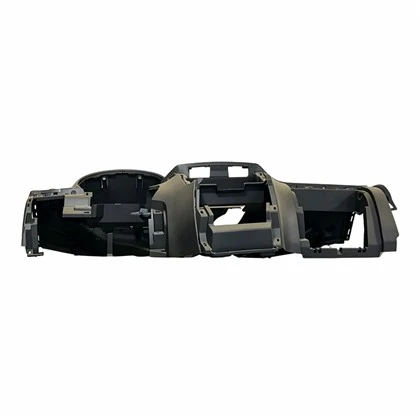
In conclusion, there are indeed numerous regulations regarding car interior components in areas of safety, comfort, and the environment. These regulations are essential for protecting consumers, promoting sustainable manufacturing practices, and ensuring the overall quality of vehicles.
Exterior Decorative Parts As a car interior components supplier, we take these regulations very seriously. We are committed to providing high – quality, compliant products that meet the needs of our customers. If you are in the market for car interior components and are looking for a reliable supplier who understands and adheres to all the necessary regulations, we would love to talk to you. Please feel free to reach out for procurement discussions and to learn more about how we can meet your specific requirements.
References
- National Highway Traffic Safety Administration (NHTSA). Federal Motor Vehicle Safety Standards.
- European Union. REACH (Registration, Evaluation, Authorization and Restriction of Chemicals) Regulation.
- International Organization for Standardization (ISO). Standards related to automotive interior components.
Hebei Xiujie Auto Parts Co., Ltd.
As one of the most professional car interior components manufacturers and suppliers in China, we have world-leading production equipment and strong manufacturing capabilities. Please feel free to wholesale bulk customized car interior components from our factory. Contact us for quotation and free sample.
Address: Industrial New Area, Wen’an County, Langfang City, Hebei Province (State-run Xiaowu Farm)
E-mail: runtaoli87@gmail.com
WebSite: https://www.xiujie-cn.com/
