If you’re running a bar, restaurant, or even a grocery store that keeps a service beer cave—you already know that those doors get a brutal workout. Not just from the regular foot traffic of staff grabbing cases, but from the constant blast of cold air escaping every time someone yanks it open. I’ve been in this game as a beer cave door supplier for over 12 years, and I can’t tell you how many customers have come to me frustrated about sky-high energy bills or their beer temps spiking because their door just isn’t holding cold. The good news? You don’t have to drop a ton of cash on a whole new unit to fix this stuff. Most of the fixes are small, easy swaps or habits that make a huge difference—no fancy engineering degree required. Let’s break this down like we’re chatting over a post-shift beer, not a corporate webinar. Service Beer Cave Door
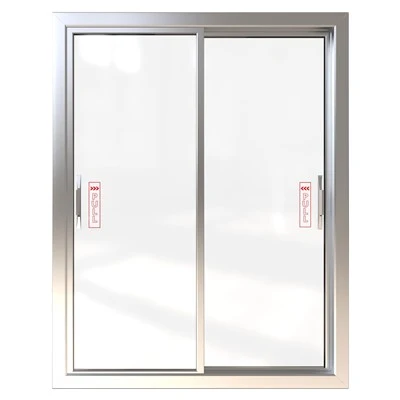
First, let’s get one thing straight: I see a lot of guys skimp on the seal around the door. It’s the most basic part, but also the most important. That black rubber strip that lines the edge of the door? Over time, it cracks, stretches, gets squished by cases, or just gets grimy with beer residue, spillage, or dust. Even a hairline gap there is letting cold air leak out like a sieve. Last month, a local dive bar owner told me his electric bill went up $180 in three months and he couldn’t figure out why—turns out his seal had a ½-inch gap where the door wasn’t lining up right. The fix is super simple: grab a new compatible seal (I can hook you up with ones that fit every standard service beer cave door, no custom ordering needed here) and wipe the existing seal and door frame with warm soapy water first. Sometimes, if the seal is just grimy, a good clean is enough to make it seal tight again. Pro tip: when you install a new seal, run a small dollar bill along the whole seam when the door is closed—if the bill slides easily anywhere, that spot’s a gap and you need to adjust the hinge a little or push the seal back into place. I’ve had so many customers tell me this trick saved them dozens off their monthly bills, so don’t sleep on it.
Next up, the door itself: is it closing all the way? I see this all the time, especially in busy places where staff are rushing. If the door doesn’t latch properly or slams shut at a weird angle, it’s not sealing right. Most service beer cave doors have adjustable hinges—loosen the bolts on the hinge, nudge the door up, down, or side to side until it lines up perfectly with the frame, then tighten the bolts back down. It takes like 10 minutes and a basic wrench set. Another quick win: if you have a door that’s been around a while, check the latch. Sometimes the latch gets worn or misaligned, so it doesn’t pull the door tight against the seal. A little lubricant (make sure it’s food-safe, obviously—no petroleum stuff near beer) on the latch mechanism will fix that 9 times out of 10. I had a client once who was leaving the door propped open all the time during inventory, and we adjusted the latch so it clicks securely even if you’re in a hurry—his energy use dropped 15% that month, easy.
Wait, what about the glass if you have a glass service beer cave door? A lot of newer spots go with glass for visibility, but single-pane glass is a huge energy drain. The glass is transferring heat from the room into the beer cave, so your refrigeration unit has to work overtime to keep up. If you have single-pane glass, upgrading to double-pane insulated glass is a game changer. I recently did a batch of 20 double-pane door replacements for a chain of convenience stores, and each one saved them an average of $120 a month on their energy bills. Even if you can’t swap out the whole door right now, you can add an insulating film to the glass—no, not the old tinted stuff that darkens everything. There are clear, low-emissivity (low-e) films that block heat transfer without messing with visibility. It’s cheap, easy to apply, and doesn’t leave any weird residue if you ever decide to upgrade the door later. Just make sure you get the right film for commercial fridges—household window film doesn’t cut it for this, I’ve tested that.
Then there’s the little stuff you probably don’t think about: the area around the door frame. If there’s a gap between the frame and the wall (like if the frame isn’t sealed in perfectly with insulation), that’s another place heat seeps in. Stuffing fiberglass insulation into those gaps (just make sure it’s not touching any electrical parts, obviously) or using a silicone caulk to seal any cracks around the frame will help a ton. I also tell all my customers to make sure the floor around the door is level. If the floor is uneven, the door can sit crookedly, so it won’t seal right. A quick level check and some shims under the frame if needed—super easy, no construction crew required.
Wait, let’s talk about usage habits too. A lot of this is on staff, but small changes add up. How long is the door open at a time? I’ve seen bartenders yank the door open, leave it propped open while they grab a whole stack of cases, chat for 2 minutes, then close it. That’s 2 minutes of cold air escaping every time. Training staff to only open the door when they need to grab something, keep it open just long enough to get what they need, and close it immediately is such a low-effort change. Also, don’t overstock the beer cave. If cases are stacked right up to the door, they’re pressing against the seal, breaking it, and blocking the cold air circulation—so your fridge has to work harder to cool the stuff that’s not right up against the evaporator. I always tell customers to leave a few inches of space between the back of the cave and the back wall, and between cases and the door, for air flow. That keeps the whole temp consistent, so the compressor doesn’t cycle on and off as much (which uses a ton more energy than running steadily).
Oh, and the door closer! A lot of people forget about that little spring or hydraulic mechanism that makes the door shut automatically. If the door closer is too weak, the door will fly open a little or not all the way, leaving a gap. If it’s too strong, it slams shut hard, damaging the seal over time. Adjusting the door closer so it closes smoothly and securely every single time is a must. I had a regular customer who had a door closer that was set too loose—he was always finding the door cracked open an inch or so, and his beer was warm by the end of the week. We adjusted the closer in 2 minutes, and that fixed the whole temp issue without any other work.
Wait, what if your door is just old? Like, 10+ years old? Sometimes the seal is shot, the insulation in the door panel itself is compressed (insulation breaks down over time, especially if it’s exposed to moisture or temperature swings), and the whole unit just isn’t efficient anymore. I see a lot of folks holding onto old doors because they think replacing it is a huge expense, but here’s the thing: a new energy-efficient service beer cave door will pay for itself in energy savings in like a year, sometimes less. The doors I supply are built with high-density foam insulation that doesn’t break down, heavy-duty seals that last for years, and adjustable hinges so they stay aligned. Last year, a small bar in downtown Austin replaced their 15-year-old door with one of mine, and their electric bill dropped $210 a month. That’s $2,520 a year—way more than the cost of the door. And new doors are way more durable too, so you don’t have to fix the seal or adjust the hinges every other month.
Another thing I see a lot: not checking the door periodically. You don’t have to do a big deep clean every week, but a quick 2-minute check every Friday goes a long way. Run that dollar bill trick, wipe the seal down, make sure the door is closing all the way, and check the latch. It’s way easier to fix a small gap before it turns into a big energy drain. I’ve had customers come to me 6 months after I installed a door saying they didn’t think it was working better, then we do a quick check and there’s a gap they missed from a spilled case leaning against the door. Fix that, and boom—immediate energy savings.
Let me bust a myth real quick: some guys think adding a curtain or a strip over the door is enough. Yeah, strip doors help a little, but they don’t replace a good, tight door seal. If you already have a good door, a strip curtain is a nice extra, but if your door itself is leaking, the curtain won’t fix that. Don’t waste your money on cheap strips if your door is the main issue.
Wait, what about temperature settings? A lot of people set their beer cave way colder than it needs to be, which makes the compressor work harder and uses more energy. Beer is best stored at 34-38°F, right? If you’re setting it to 30°F, that’s 8 degrees colder than it needs to be, and that’s a ton of extra energy use. I had a grocery store client who was set to 32°F for no reason—switched it to 36°F, and their energy use went down 10% almost overnight, and their beer was still perfectly cold. That’s such an easy fix, no equipment needed, just turning a dial.
Now, let’s be real: not all of these fixes apply to every service beer cave door. If your door is 20 years old and falling apart, it’s probably cheaper and more efficient to replace it. But if it’s a newer door that’s just got a bad seal or misaligned hinges, those small fixes will make a huge difference. If you’re not sure what your door needs, I can help you figure that out—no pushy sales stuff, just honest advice.
I’ve been doing this for long enough to know that every bar, restaurant, and shop’s beer cave is a little different. Some have super busy doors that get opened 50 times a shift, some are only opened a few times a day for inventory. The right fix depends on your specific setup, but the core stuff is always the same: keep the seal tight, make sure the door lines up right, don’t leave it open, and don’t overstock.
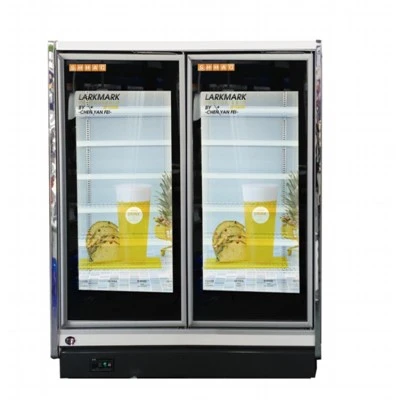
If you’re tired of throwing money away on high energy bills or warm beer, I can help you sort it out. Whether you need a new seal, a small adjustment, or a whole new energy-efficient service beer cave door, I’ve got you covered. Just reach out to chat about what you need, and we can figure out the best solution for your place. No pressure, no hard sells—just good advice from someone who’s been in the trenches with beer cave doors for over a decade.
Vertical Cabinet Retrofit References
- Commercial Refrigeration Energy Efficiency Guide, U.S. Department of Energy, 2022
- “Reducing Energy Waste in Food Service Refrigeration,” National Restaurant Association, 2021
- “Service Beer Cave Door Performance and Efficiency,” Commercial Cold Storage Journal, 2023
- “Best Practices for Refrigeration Maintenance in Food Retail,” Food Marketing Institute, 2022
Coste Glass Door Co., Ltd.
As one of the most professional service beer cave door manufacturers and suppliers in China, we’re featured by quality products and good price. Please feel free to wholesale bulk service beer cave door in stock here and get quotation from our factory. Customized orders are welcome.
Address: 41/47, VILLAGE NO.5 KHOK KRABUE SUBDISTRICT MUEANG SAMUT SAKHON DISTRICT ,SAMUT SAKHON PROVINCE 74000 ,Thailand
E-mail: Alicezhou@shhag.com
WebSite: https://www.costeglassdoor.com/
