If you’ve ever worked in metal fabrication, construction, or even DIY projects, you’ve probably ended up with a pile of leftover drilling steel—those long, sturdy rods used for cutting through concrete, rock, steel, or even asphalt. As someone who’s spent years supplying drilling steel to contractors, mining crews, and small workshop owners, I get it: when that steel gets dull, bent, or just doesn’t have the punch it used to, the last thing you want is to toss it in a landfill. So let’s cut to the chase: can drilling steel be recycled? The short answer is yes—but it’s not as straightforward as tossing an aluminum can in the bin. Let me break this down like I would with a regular customer who’s called asking about pricing on new drill rods and has a side question about their old scrap. Drilling Steel
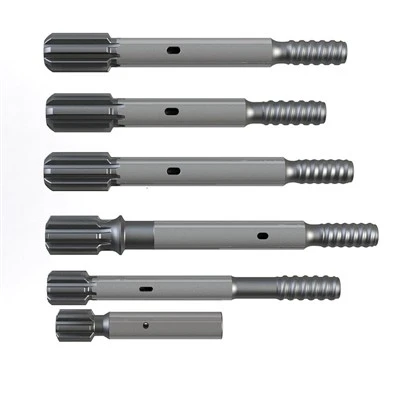
First, let’s talk about what drilling steel actually is, because that’s half the battle. Drilling steel isn’t just plain old mild steel; it’s a specific alloy usually made of carbon steel, often mixed with small amounts of chromium, vanadium, or molybdenum. Those extra elements are what make it hard, durable, and resistant to wear when you’re chugging through rock all day. The downside? It’s not as easy to melt down as pure steel, and if there’s any leftover drilling residue—like concrete dust, rock particles, or even bits of drill bit carbide (wait, yeah, some drill rods have carbide tips!)—that can mess with the recycling process too. I’ve seen guys on job sites accidentally toss a used rod caked in cement, and the scrap yard will send it back because that concrete ruins the melt. So the first rule of drilling steel recycling: clean your scrap. Don’t knock it till you try it, but a quick brush or a pressure wash to get rid of loose gunk goes a long way.
Now, how does the recycling process work for drilling steel, specifically? Most steel recycling happens at big, dedicated mills that take in scrap metal, sort it, and then melt it in huge electric arc furnaces (EAFs). Here’s the thing: drilling steel is high-grade steel, so it’s actually way more valuable than your average sheet metal scrap. Scraps yards will pay top dollar for clean, intact drill rods because there’s less work needed to process them. But if you’ve got bent rods or pieces that are too small to be reused, they still work great for melting. The EAF heats the steel to over 2,700°F, which burns off any remaining impurities, and then they adjust the alloy mix to make new steel products—think everything from rebar for construction to new drilling rods for guys like me to sell. I’ve even heard of some smaller shops that take good-condition, slightly used drill rods and re-tip them, but that’s more for local jobs where cost is a big factor and you don’t need brand-new heavy-duty equipment.
Wait, but hold on—what about those carbide-tipped drill bits I mentioned earlier? A lot of rotary drilling steel uses small carbide inserts on the end to cut through hard rock, and those are a different material than steel. Carbide is super tough, made of tungsten and carbon, and it’s actually recyclable too, but you can’t just toss it in with the steel scrap. The good news is that most scrap metal dealers that handle steel scrap also take carbide inserts, because they can recycle them separately to make new carbide products. I always tell my customers: when you take your used drilling steel to the scrap yard, set the carbide tips aside and tell them it’s separate. You might not get as much for them as steel, but it’s better than sending them to a landfill where they’ll never break down.
Let’s get real, though—there are some barriers to recycling drilling steel that I see all the time, especially with smaller contractors or one-man shops. The biggest one is convenience. A lot of guys don’t have a way to transport their scrap to a recycling center, or they don’t know what’s actually recyclable. I’ve had customers tell me they just leave old rods at the job site because they don’t want to pay to haul them away, and that’s such a waste—both for them and the environment. Another barrier is not knowing the value. Some people think because drill rods are a bit dirty or bent, they’re worthless, but that’s not true. I once helped a local contractor load up a trailer full of old drill rods he’d been storing in his barn for years, and he made enough from the scrap to buy a new set of tool boxes—no joke. He had no clue that those old, bent rods were worth more than he thought, because he’d been writing them off as junk.
Now, let’s talk about why recycling drilling steel matters, beyond just making a few extra bucks. The steel industry is one of the biggest producers of carbon emissions globally, right? Recycling steel uses 75% less energy than making new steel from iron ore, and it cuts down on greenhouse gas emissions by about half a ton for every ton of steel recycled. That’s a big deal when you’re talking about thousands of tons of drilling steel being used every year across construction, mining, and infrastructure projects. Plus, drilling steel is a finite resource—iron ore isn’t going to last forever, so recycling it means we don’t have to mine as much new material, which reduces habitat destruction and water pollution from mining operations. I’ve talked to a lot of my fellow suppliers and customers about this, and more and more people are starting to realize that recycling isn’t just a “nice thing to do”—it’s part of doing business responsibly, especially when you’re dealing with a product that’s as heavy-duty and long-lasting as drilling steel.
Wait, but what about if you have a drill rod that’s still in good shape but you just don’t need it anymore? Like, you bought a bunch for a job that got canceled, or you upgraded to a different type of drill and have leftover rods. You don’t have to recycle it right away—you can sell it or even give it to someone who needs it. I see this all the time on local construction forums: guys posting “extra drill rods for sale, used once, $50 each” instead of tossing them. That’s way better than sending them to a landfill, because it extends the life of the steel even more. And if you can’t sell them, donating them to a trade school or a local DIY project is another great option—students can practice with them, or a small contractor working on a community project can use them instead of buying new.
I should also mention that not all scrap yards are created equal when it comes to drilling steel. Some big, national scrap yards have specific processes for handling high-grade steel alloys, so you’ll get a better price there than at a small, local yard that only processes regular metal. If you’re a regular customer, ask the scrap yard manager what they prefer—some want rods cut into 4-foot pieces, others want them whole, and a few don’t mind if you leave small amounts of dirt on them as long as the rod itself isn’t rusted through or broken. The better you prepare your scrap, the more money you’ll make, and the more likely the scrap yard is to take it without hassle.
Let me wrap this up with a few quick tips for anyone reading this who has old drilling steel lying around. First, clean it as best you can—brush off rock dust, concrete, or mud before you haul it in. Second, separate any carbide tips if you have them, because those get recycled separately. Third, find a reputable scrap yard that deals in high-grade steel, not just cans and old fence posts. And finally, if your drill rods are still usable, don’t scrap them—sell them, donate them, or pass them on. It’s way more useful than melting it down, and you’ll help someone else save money too.
At the end of the day, drilling steel is totally recyclable—you just have to do it the right way. I’ve been in this business for over a decade, and I’ve seen everything from old drill rods being turned into rebar for new schools to carbide tips being repurposed into new cutting tools. It’s a cycle that works, but only if people take the time to handle their scrap properly. If you’re a contractor, a miner, or even a hobbyist who uses drilling steel, don’t let your old rods go to waste. Do a little research, find a scrap yard you trust, and get that material recycled.

If you’re in the market for new drilling steel or have questions about your current supply, feel free to reach out to talk about what you need. Whether you’re a one-man shop needing a few rods for a small job or a big construction company ordering bulk, we can hook you up with high-quality drilling steel that lasts, and we can also point you to local scrap resources to make recycling easy for you. Don’t let your old steel take up space in your barn or end up in a landfill—get it recycled, and maybe even put a little extra cash in your pocket while you’re at it.
Coupling References
World Steel Association. (2022). Steel Recycling Facts and Figures.
American Iron and Steel Institute. (2021). Recycling and Sustainability in Steel Manufacturing.
National Waste and Recycling Association. (2023). Scrap Metal Processing Guide for Industrial Materials.
Super Rock Machinery Equipment (Qingdao) Co., Ltd.
We are one of the most professional drilling steel manufacturers and suppliers in China, featured by quality products and good price. Please feel free to buy advanced drilling steel for sale here from our factory. Welcome to view our website for more information.
Address: No. 45, Pengwan Road, Qianwan Bonded Port Area, Qingdao Sub-district, Free Trade Pilot Zone, Shandong China
E-mail: sales@superrocktools.com
WebSite: https://www.superrocktools.com/
