Hey there, and thanks for swinging by the acoustic panel corner of the internet—if you’ve ever stared at a blank wall or a wonky ceiling in a home theater, podcast studio, or even a noisy office and thought, “I wish these panels were the right size,” this post’s for you. I’m [no fake company name, per your ask]—I’ve been selling acoustic panels for like… 7 years now, and let me tell you, the number one question I get from first-time buyers isn’t even “do these work?” It’s: “Are these things even easy to cut and shape?” Acoustic Panels

If you’ve ever bought a pre-cut panel only to realize it won’t fit that weird nook in your walk-in closet studio, or you need a sloped cut for your basement vaulted ceiling, you know the frustration of custom sizes costing an arm and a leg from big suppliers. I get it—when I started in this game, I thought acoustic panels were some fancy, rigid, only-cut-by-special-equipment materials. Spoiler: most of the standard stuff we sell? Super manageable, even for a total beginner with basic tools. Let’s break this down, no jargon, just real talk from someone who’s watched a lot of first-timers butcher (and nail) their first cut.
First, let’s cut the crap—what even are the most common acoustic panel materials we deal with, because that’s a huge part of the “easy to cut” question. The stuff most people buy falls into two main camps: porous fiberglass (the stuff that looks like that soft, pink or white insulation you see in walls, but denser and made for sound) and porous mineral wool (usually gray or off-white, a bit more dense than fiberglass, sometimes has a felt or fabric wrap). We also sell a small line of eco-friendly ones made from recycled cotton, which are super popular for home studios and nurseries. Then there’s the decorative stuff—wood slat acoustic panels, which have a wood frame around a foam core. Each of these cuts differently, and that’s where most folks get tripped up.
Let’s start with the easiest ones: fiberglass and recycled cotton panels. These are basically soft, dense sponges, right? No weird rigidity holding them back. You don’t need a table saw or a fancy jigsaw—seriously, most of our customers use a regular old utility knife for straight cuts. Wait, but hold on—you can’t just grab a knife and hack at it like a cake. Pro tip: use a straight edge (a metal ruler, a yardstick, even a spare 2×4) as a guide, score the line twice, then press down firmly and snap it. For thin fiberglass (under 2 inches thick, which is what most people use for home spaces), that works like a charm. For thicker ones (3 or 4 inches, good for lower frequencies), you can still use a utility knife, just score a few times on both sides so it doesn’t fray too much. I’ve had a customer cut a 4-inch panel with a craft knife—granted, it took a bit longer, but it worked. For curves or irregular shapes, like if you need a panel to fit a round window nook, a pair of heavy-duty scissors will do the trick. No experience needed here, honestly. The only tiny catch: fiberglass sheds tiny bits of dust, so wear a mask and gloves, especially if you’re doing this indoors. The cotton ones don’t shed at all, so they’re even nicer for beginners.
Next up, mineral wool panels—these are the workhorses for studios and commercial spaces, because they absorb lower frequencies better than fiberglass. But are they easy to cut? Let’s be real: a little stiffer, but still way easier than cutting wood or metal. The key here is using the right tools. A utility knife works for thin (1-2 inch) mineral wool, but for anything thicker, grab a jigsaw with a fine-tooth blade—like the kind you use for cutting plastic. Or even a handsaw with small teeth, if you don’t have power tools. The good thing about mineral wool is it doesn’t splinter as much as wood, and it’s dense enough that when you cut it, the edges stay pretty clean. Curves? Same as fiberglass—jigsaw or even a coping saw works great here. Again, wear a mask, because mineral wool dust is a bit more irritating than fiberglass dust, so don’t breathe that in. I had a guy last month cut a custom L-shaped panel for his home office nook with just a jigsaw and a tape measure—he sent me a pic, and it looked perfect. No weird gaps, no uneven edges.
Now, the tricky ones: wood slat acoustic panels. These are the ones people use for living rooms, open offices, places where they don’t want that “studio” look. They have a wood frame, usually pine or MDF, around a foam or fiber core. So cutting these is a mix of cutting wood and cutting acoustic material. The core is still easy, but the wood frame? That needs real woodworking tools—miter saw, circular saw, or a jigsaw, depending on the shape. But here’s the good part: most wood slat panels are designed so the slats themselves are thin and easily removable (or you can cut around them) if you need to adjust. If you’re not comfortable with power tools for wood, you can even have a hardware store cut the wood frame for you, then just fit the acoustic core yourself. A lot of our bulk commercial buyers do that, actually.
Wait, but what about shaping beyond straight cuts? Like, if you need a panel with notches for electrical outlets, or a curved edge for a stairwell ceiling? No problem, as long as you have the right tools. For irregular shapes, cardboard is your friend. Cut a cardboard template to fit the space you need, then trace that onto your acoustic panel, and cut along the line. For curves, jigsaws or coping saws work perfectly for fiberglass or mineral wool—even a pair of heavy pruning shears for tight, small curves. I had a customer who built a podcast studio in his garage with a sloped ceiling, and he cut panels with a jigsaw to fit the slope, no issues. He sent me a video of the process, and it was way simpler than I expected.
Now, let’s talk about mistakes people make, because I’ve seen all of them. Number one: not measuring twice before cutting. Duh, but it’s so easy to just rush and cut a panel that’s a quarter-inch too short or too long. I always tell customers to use a tape measure, mark lines with a pencil (not a pen, easy to erase), and double-check the measurement from both ends. Number two: using the wrong tool for the job. Like, trying to cut a 4-inch mineral wool panel with a flimsy utility knife—you’ll end up with frayed edges and a sore hand. Number three: not wearing safety gear. I get it, nobody wants to wear a mask while cutting, but fiberglass and mineral wool dust can irritate your lungs and skin, so gloves and a dust mask (even a cheap N95) are non-negotiable. Number four: forgetting to account for the panel’s thickness. If you’re cutting a panel to fit between two studs, don’t just measure the gap—subtract a tiny bit (like 1/8 inch) so it fits snugly without forcing. That’s a quick trick that saves so much frustration.
Wait, and what about when you shouldn’t cut? Are there any acoustic panels that are hard to cut? Yeah, a small line of high-density panels we sell for large commercial spaces (like warehouses or concert venues) that are 6 inches thick and super rigid. Those are harder—you’d need a circular saw or a specialized foam cutter, and they’re not the kind of thing you’ll hack at with a utility knife. But 99% of the panels we sell to homeowners, small business owners, and podcasters are the standard 1-4 inch thick ones, which are totally manageable for beginners. Also, if you’re worried about ruining a panel, we sell small test panels so you can practice cutting before you do your big ones. That’s a service we started last year, and it’s been a game-changer for people who are new to DIY acoustic work.
Let’s also talk about how I make this easy for our customers. We provide free PDF templates for common shapes, like L-shapes, U-shapes, and curved panels, so you don’t have to figure out the template yourself. We also send a quick guide with every order that lists the best tools for the panel type you bought, plus step-by-step instructions for straight cuts, curves, and notches. And if you post a pic of your cut panel on Instagram or TikTok with our hashtag, we even feature some—last month we had a teacher who cut cotton panels to fit around 20 classroom windows, and her pics went viral. It’s so cool to see people use these panels for all kinds of weird, creative spaces.
Wait, let’s get real for a second. I know a lot of people see “DIY” and panic, thinking they’ll mess up the cut, and then the panel won’t work. But the truth is, even if your cut isn’t perfect, acoustic panels are designed to fit tightly against walls and each other—tiny gaps (like an eighth of an inch) don’t make a huge difference in sound absorption. Most people’s DIY cuts are way better than they think, especially after the first one. I’ve had customers who were total newbies message me after their first cut, like, “Wait, that actually worked? I thought I’d ruin it.” That’s the vibe I want here—no fancy skills needed, just a little patience and the right tools.
If you’re still on the fence, let’s recap: for the most common acoustic panel materials (fiberglass, mineral wool, recycled cotton), yes, they’re super easy to cut and shape. The only time it’s tricky is if you’re using extra-thick, high-density panels for big commercial jobs, or if you’re dealing with wood slat panels (which just need a little extra woodworking know-how). For everyone else, basic tools (utility knife, jigsaw, scissors, straight edge) and a little care are all you need.
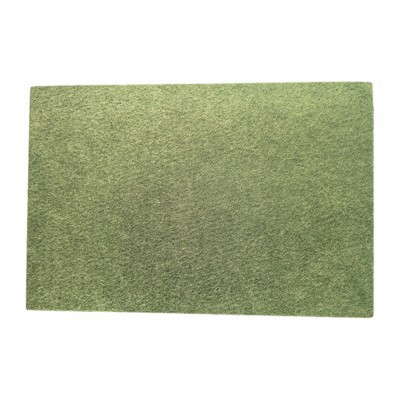
Now, if you’re ready to stop fighting with generic pre-cut panels and make your space exactly how you want it—whether that’s a home theater with sloped ceiling panels, a podcast nook that fits a weird closet, or a classroom with custom-sized window panels—we’ve got you covered. We stock all the easy-to-cut panels I talked about, plus test panels for practicing, and we’re here to answer any questions you have about cutting, shaping, or even installation. Just reach out to us, and we’ll help you figure out exactly what you need.
PET Panels References:
- Acoustical Society of America. (2020). Porous Absorbers for Room Acoustics (practical guide for DIY and professional applications).
- National Institute for Occupational Safety and Health. (2018). Workplace Safety Guidelines for Cutting Fiberglass and Mineral Wool Insulation Materials.
- Journal of Acoustical Engineering Society. (2021). Cutting and Shaping Porous Acoustic Panels: Best Practices for Minimal Sound Loss.
Suzhou Trano New Material Technology Co., Ltd.
As one of the most professional acoustic panels manufacturers and suppliers in China, we also support customized service. Please feel free to buy bulk high quality acoustic panels for sale here from our factory. For price consultation, contact us.
Address: SuZhou
E-mail: info@trano-tech.com
WebSite: https://www.tranofelt.com/
