Hey there! As a supplier of cryogenic ball valves, I’ve seen firsthand how crucial it is for these valves to work properly in a cryogenic environment. Cryogenic applications, like in the storage and transportation of liquefied gases such as LNG (liquefied natural gas), demand valves that can withstand extremely low temperatures and still function flawlessly. So, let’s talk about how we can make sure that our cryogenic ball valves do just that. Cryogenic Ball Valve
Understanding the Cryogenic Environment
First things first, we need to understand what a cryogenic environment is all about. Cryogenic temperatures are typically below -150°C (-238°F). At these frigid temperatures, materials behave very differently compared to normal conditions. Metals can become brittle, and seals can lose their flexibility. This means that any component in a cryogenic ball valve has to be carefully selected and designed to handle these harsh conditions.
For instance, the valve body and ball are usually made from materials like stainless steel. Stainless steel has good mechanical properties at low temperatures, and it’s resistant to corrosion. But not all stainless steels are created equal. We need to choose the right grade that can maintain its strength and toughness in the cryo zone.
Material Selection for Cryogenic Ball Valves
When it comes to seals, we can’t just use any old rubber or plastic. We need special elastomers that can remain flexible at cryogenic temperatures. Materials like PTFE (polytetrafluoroethylene) are popular choices. PTFE has a wide temperature range and can provide a reliable seal even in the coldest of environments. It’s also resistant to chemicals, which is a plus in many cryogenic applications where the valves may be handling various types of liquefied gases.
The stem and other internal components also need to be made from materials that can handle the cold. We often use alloys that have been specifically developed for cryogenic use. These alloys offer the right balance of strength, ductility, and resistance to thermal expansion and contraction.
Design Considerations
The design of a cryogenic ball valve is key to its proper functioning. One important aspect is the valve’s insulation. Good insulation helps to prevent the formation of ice and frost on the valve surface, which can interfere with its operation. We can use different insulation techniques, such as using insulation jackets or adding multiple layers of insulation materials.
Another design factor is the valve’s flow path. The flow path should be designed to minimize pressure drop and turbulence. This not only improves the valve’s efficiency but also reduces the risk of damage to the valve components due to high – velocity flow.
The ball valve’s seating arrangement is also crucial. The seats need to be carefully machined and installed to ensure a tight seal. In a cryogenic environment, the seating material can contract, so the design should account for this movement and still maintain a reliable seal.
Installation and Maintenance
Proper installation is the first step towards ensuring the long – term proper functioning of a cryogenic ball valve. During installation, we need to make sure that the valve is correctly aligned with the pipeline. Any misalignment can cause stress on the valve and affect its sealing performance.
We also need to follow the manufacturer’s instructions regarding the tightening torque of the bolts. Over – tightening or under – tightening can lead to leaks or damage to the valve body.
Maintenance is an ongoing process. Regular inspections are a must. We should check for any signs of wear and tear on the valve components, especially the seals. If we notice any damage, we need to replace the parts as soon as possible.
Lubrication is another important aspect of maintenance. However, we need to use lubricants that are suitable for cryogenic temperatures. Using the wrong lubricant can cause it to solidify at low temperatures and gum up the valve mechanism.
Testing and Quality Control
Before a cryogenic ball valve leaves our factory, it undergoes a series of rigorous tests. These tests are designed to simulate real – world cryogenic conditions and ensure that the valve meets the required performance standards.
We perform pressure tests to check for leaks. We also test the valve’s operational torque at cryogenic temperatures to make sure that it can be opened and closed smoothly.
Quality control is not just about the final product. It starts from the selection of raw materials. We closely monitor the manufacturing process to ensure that every step is carried out to the highest standards. This includes everything from machining the valve components to assembling the final product.
Training and Support
As a supplier, we also offer training and support to our customers. We understand that not everyone may be an expert in cryogenic ball valves. So, we provide training on installation, maintenance, and troubleshooting.
Our technical support team is always available to answer any questions that our customers may have. Whether it’s a problem with the valve’s operation or a question about replacement parts, we’re here to help.
Conclusion
Ensuring the proper functioning of a cryogenic ball valve in a cryogenic environment is a multi – faceted process. It starts with the right material selection, followed by careful design, proper installation, regular maintenance, and thorough testing.
If you’re in the market for cryogenic ball valves, we’ve got you covered. Our valves are designed and manufactured with the highest quality and performance in mind. Whether you’re working on an LNG project or any other cryogenic application, we can provide you with the right solution.
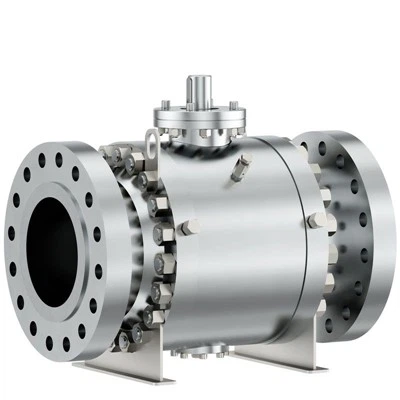
Get in touch with us to discuss your specific requirements and start a procurement conversation. We’re eager to work with you and ensure that your cryogenic systems operate smoothly.
Actuator References
- ASME B31.3 Process Piping Code
- API 6D Specification for Pipeline Valves
- ISO 14313 Petroleum and natural gas industries – Pipeline transportation systems – Pipeline valves
Wuxi PYNOS Flow-tech Co., Ltd.
As one of the leading cryogenic ball valve manufacturers and suppliers in China, we offer a wide range of products with superior quality. We warmly welcome you to buy high quality cryogenic ball valve made in China here from our factory. We also accept customized orders.
Address: Sales Center: 7th Floor, No.19 Qingyuan RD, Wuxi City, Jiangsu Prov., China
E-mail: Info@pynosvalve.com
WebSite: https://www.pynosvalves.com/
