Yo, fellow electronics enthusiasts! I’m here as a supplier of Schottky diodes, and today we’re gonna dig into a super important topic: what’s the maximum reverse voltage of Schottky diodes? Schottky Diodes
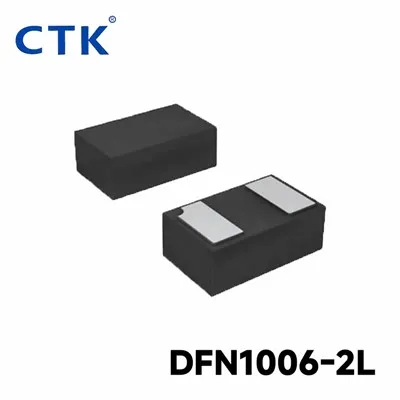
Let’s start with the basics. A Schottky diode is a unique type of semiconductor device. It’s different from your regular diodes. Regular diodes are made with a P – N junction, but Schottky diodes have a metal – semiconductor junction. This difference gives Schottky diodes some really cool properties, like fast switching speeds and low forward voltage drops.
But today, we’re focusing on that maximum reverse voltage. When we talk about reverse voltage, we’re looking at what happens when the voltage across the diode is applied in the opposite direction of its normal conduction. You know, current wants to flow from positive to negative in a diode, but in reverse voltage, we’re pushing it the other way.
The maximum reverse voltage, often abbreviated as VRRM (peak repetitive reverse voltage) or VDC (DC reverse voltage), is the highest voltage you can apply in the reverse direction without making the diode break down. If you go over this limit, bad things can happen. The diode might start conducting in the reverse direction when it shouldn’t, and that can lead to overheating, damage, and even complete failure of the diode.
Now, the maximum reverse voltage of Schottky diodes can vary a whole lot. It depends on a bunch of factors. One big factor is the manufacturing process. Different manufacturers use different techniques and materials to make their Schottky diodes. Some might be able to make diodes that can handle higher reverse voltages because of their special processes.
Another factor is the size of the diode. Generally, larger diodes can handle higher reverse voltages. That’s because they have more surface area and can dissipate heat better. Heat is a big deal when it comes to diodes. If too much heat builds up, it can mess with the diode’s performance and reduce its maximum reverse voltage tolerance.
Typically, you can find Schottky diodes with maximum reverse voltages ranging from just a few volts to several hundred volts. For example, in some low – power applications like mobile phones or small handheld devices, you might see Schottky diodes with a maximum reverse voltage of around 20 – 40 volts. These are used for things like voltage clamping and rectification in low – voltage circuits.
On the other hand, in industrial applications or high – power electronics, you could need diodes with much higher maximum reverse voltages. Some Schottky diodes can handle 200 volts or more. These are used in things like power supplies, motor drives, and solar inverters.
To get a better idea of how important the maximum reverse voltage is, let’s think about a practical example. Say you’re working on a power supply circuit. You have a transformer that steps down the AC voltage, and then you use a Schottky diode to rectify it into DC. If the reverse voltage from the AC source is higher than the maximum reverse voltage of the diode, the diode will break down. That can cause a short – circuit in your power supply, and it could damage other components in your circuit.
So, how do you figure out the right maximum reverse voltage for your application? Well, you first need to look at the voltage levels in your circuit. Calculate the maximum reverse voltage that the diode will see during normal operation and under any worst – case scenarios. Add a safety margin on top of that. It’s always better to choose a diode with a higher maximum reverse voltage than you think you’ll need. This gives you some wiggle room in case there are any voltage spikes or fluctuations in your circuit.
As a Schottky diode supplier, I’ve seen a lot of customers make mistakes when it comes to choosing the right maximum reverse voltage. Some of them try to cut corners and use a diode with a lower maximum reverse voltage to save a few bucks. But in the long run, that can end up costing them more because they’ll have to replace the diodes more often if they keep breaking down.
We have a wide range of Schottky diodes in our inventory, with different maximum reverse voltages to suit different applications. Whether you’re working on a small hobby project or a large – scale industrial application, we’ve got you covered. Our team of experts can also help you choose the right diode for your specific needs. We can look at your circuit requirements, analyze the voltage levels, and recommend the best Schottky diode with the appropriate maximum reverse voltage.
If you’re in the market for Schottky diodes and want to learn more about our products or need help with choosing the right maximum reverse voltage for your project, don’t hesitate to reach out. We’re here to make sure you get the best diodes for your applications. Just drop us a line, and we’ll be happy to start a conversation about your needs.
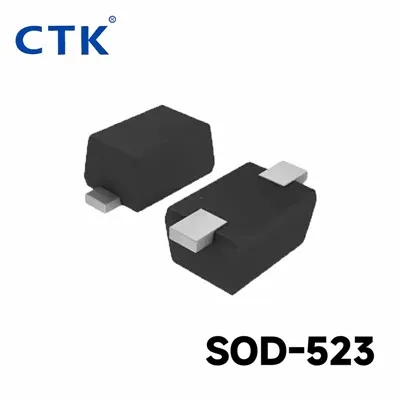
In summary, the maximum reverse voltage of Schottky diodes is a crucial parameter that you need to consider when using these diodes in your circuits. It can vary depending on manufacturing processes, diode size, and other factors. Make sure you choose a diode with a maximum reverse voltage that can handle the worst – case voltage levels in your circuit, with a safety margin. And if you need any assistance, we’re here as your Schottky diode supplier to guide you through the process.
Rectifier Diode References:
- "Semiconductor Devices: Physics and Technology" by Simon M. Sze
- "Electronic Devices and Circuit Theory" by Robert L. Boylestad and Louis Nashelsky
Tongke Electronic Co., Ltd
Tongke Electronic Co., Ltd. is one of the most experienced schottky diodes manufacturers and suppliers in China, featured by quality products and low price. Please rest assured to wholesale advanced schottky diodes made in China here from our factory. Contact us for pricelist.
Address: No.3,Chayuan Rd, Street 3, AilingKan, Dalingshan, Dongguan, Guangdong, China.
E-mail: jack@ctk-elec.com
WebSite: https://www.ctkchip.com/
